Why Digital Marketing is need.
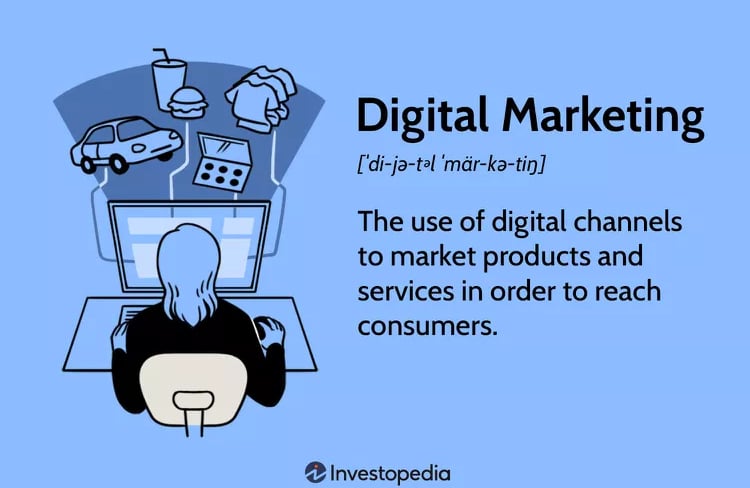
"Digital marketing leverages online platforms to promote products and services, reaching audiences through channels like social media, search engines, and email. It enables businesses to engage, analyze, and grow in a cost-effective and measurable way."
12/26/20246 min read
Understanding the Types of Marketing Methods and Their Pros and Cons
Thus, understanding marketing methods would now serve as a key indicator of deciding the approach that would fit best for the institution. After all, there is traditional marketing and digital marketing; both options have their advantages and disadvantages. Read on for a rundown of the significant types of marketing along with their implications:
Traditional Marketing Methods
Print Marketing. Ex (newspapers, magazines, and flyers.)
Print marketing is the use of printed materials such as brochures, posters, newspapers, and magazines in promoting the institution.
Pros:
Local Reach: The best medium for targeting specific geographical areas
Tangible Impact: Physical materials like brochures and posters can leave a lasting impression.
Credibility: More credible (and hence trustworthy, in many people's views) due to its long history.
Cons:
High Costs: Printing and distribution costs are enormous.
Limited Tracking: Very difficult to be able to measure a print campaign's effectiveness at real-time intervals.
Lifespan is Shorter: Print materials are easily discarded and forgotten.
TV and Radio Commercializing
These are very traditional media channels that use broadcasting methods in an attempt to reach a very broad audience.
Pros:
Broad Reach: Reach a relatively large and disparate audience all at once-the people included being of different demographics.
High Engagement: It tends to be very engaging and persuasive-the audio-visual content.
Cons:
Expensive: Advertising by television or radio is costly in production and putting it on air.
Limited Targeting: There is no precise targeting of certain audience groups-may occasionally lead to a lot of wasted exposure.
Hard to Measure ROI: It's often hard to get an exact ROI on the campaign.


Event Marketing (Conventions, Open Houses, School Fairs)
Participating in events like school fairs, open houses, or educational conferences; or perhaps even organizing these events to get engaged with the community as well as with prospective students.
Pros:
Personal Interaction: Provides face to face engagement; it could help build trust and strong relationships.
Local Impact: Effective in reaching the local communities and hence developing relationships.
Immediate Feedback: You get to see the audience action and query instantaneously.
Cons:
Time-consuming: Events consume a lot of time planning, organizing, and staff hours.
Limited Reach: Typically, it only reaches those who actually come physically, limiting exposure.
Expensive: So a lot of cost can come together from venue rental, promotional materials, and logistics all that.


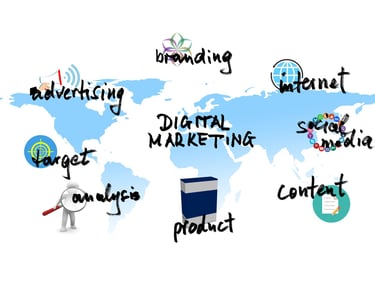
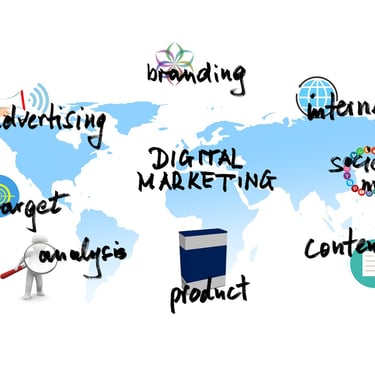
2. Digital Marketing Methods
a. Search Engine Optimization (SEO)
SEO is all about making a website rank in search engines for relevant keywords so that it can help users find an educational institution online.
Prons;
Low Maintenance Cost: After creating an optimized site, SEO usually doesn't require high investments for maintenance.
Long-Term Results: A well-optimized website can generate continuous organic traffic over time.
Highly Targeted: SEO can help in directing prospective users who are at that point looking for education-relevant content and are therefore likely to convert
Cons:
Time-Consuming: Time is often needed before one can see SEO results, sometimes it can be a few months.
Always Change: Search engines change algorithms quite regularly, so constant updates to the strategies are needed to correlate with those changes.


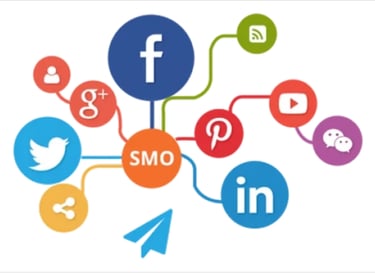
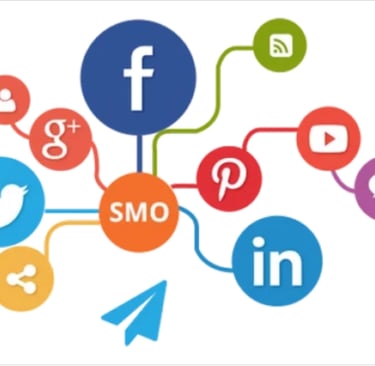
b. Social Media Marketing
Using platforms like Facebook, Instagram, LinkedIn, and Twitter to reach out to the potential students, parents, and alumni.
Prons:
Wide Reach: Social media can access and include a wide audience, including overseas students as well.
Direct Engagement: It helps one be able to engage followers directly using posts, comments, and messages.
Affordable: It could be an extremely cheap way of advertising to boost posts and make sponsored advertisements.
Cons:
Time-consuming: It requires regularly and constantly posting and engaging to help build a follower base.
Brevity of Life: Posts go out of the feeds of users quickly because they do not keep up with content.
Unfortunate Participation: Manage these comments and reviews carefully, since negative ones could spread very fast.
c. Email Marketing
An email marketing program sends messages to potential students, parents, or alumni to inform them of events, updates, or deadlines of interest.
Prons:
Very personalized: Based on user data, emails can even be tailored for potential students, location, or program area.
Cheap: Email marketing is relatively low-cost compared to other traditional means.
Measurable: You can track the various metrics of email marketing open rates, click-through rates, and conversions, allowing for better optimization.
Cons:
Potential Spam: If incorrectly formatted, it may end up going in the spam folder; as such, it is not seen as effectively.
Over-Saturation: Since people receive so many marketing emails, it is easy for engagement to become low.
List Management: It also requires constant updating and maintenance of the email list for relevance.
d. Content Marketing
That is content marketing-it is about content in terms of blogs, articles, videos, or infographics. It attracts and engages the audience.
Pros:
Trust Building: Giving helpful and informative resources builds trust and gives rise to credibility and authority.
Long-term Impact: Fine content may generate organic traffic in the long run.
It is multiple channel compatible: From web to social media and email.
Cons:
Time-consuming: It needs a lot of time and effort to create good content that brings engagement.
Talent Need: Content marketing needs talent for somebody to write, design, and develop strategy
Slow to Yield: It is usually slow in yielding tangible results.
e. Paid Advertising (PPC, Social Ads)
Paid advertising has a feature called Pay-Per-Click (PPC) which can be used on Google or social media ads to target specific audiences with advertisements to schools and colleges.
Pros:
Results in an instant: As soon as active, ads start contributing in terms of traffic and lead.
Targeted Reach: Targeted audiences by paid ads can enter from an interest, demographic, or behavior basis.
Scalable: Budget of any size can be extended or reduced to fine-tune performance.
Cons:
Expensive: Cost for paid ads might mount up quickly when the competition for keywords is high.
Temporary Outcomes: Once the budget for advertisement has run out, traffic comes to a stop.
Needs Active Optimization: Continual monitoring and changes are required to maintain optimum ad performance.


f. Influencer Marketing
Such as alumni or industry professionals, entice by coordinating powerful personalities in the education sphere to plug the institution.
Prons:
Reliability and Credibility: Trust being established by the influencer with his audience may be useful in positively generalizing the institution.
Reach: Influencers expand a broader and even more niche audience to the institution.
Cons:
Costly: High-profile influencers will charge a hefty amount.
Possibility of Disparate Value: The values of the institution might not resonate with what the influencer represents, leading to possible brand damage.
Difficult to Measure ROI: It would be difficult to measure the results of influencer campaign
Conclusion
Ultimately, decisions regarding the marketing method depend on educational institution goals, target audiences, and budgets. Clearly print-based forms of marketing, TV, and events will be very much effective in reaching vast audiences, but these might prove extremely expensive and difficult to track. On another note, digital marketing methods such as SEO, social media, and content marketing offer very targeted, measurable, and cost-effective campaign options that can generate short- and long-term results. Ideally, both traditional and digital marketing strategies should complete a great strategy for educational institutions to reach, engage, and convert the maximum audience.